

Life After Iliac Vein Stenting: What does It Really Looks Like (and How to Feel Better Faster)
If you’ve been diagnosed with iliac vein compression or obstruction or recently had a vein stent placed, you might be wondering:How long will recovery take? Is it normal to still feel sore or swollen? When will I feel like myself again? You’re not alone. A new study followed patients who went through iliac vein stenting and carefully documented what recovery really feels like, physically and emotionally. Their experiences tell an important story: healing happens in stages, and progress takes time. Let’s walk through this paper on iliac vein stenting recovery together.
First — What Is Iliac Vein Obstruction?
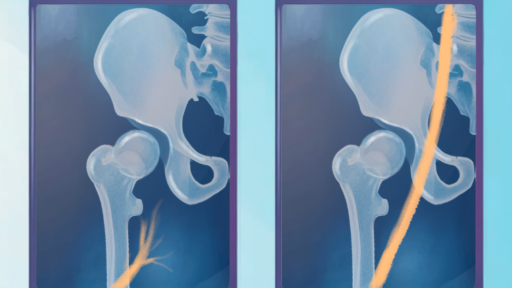
The iliac veins are large veins in your pelvis that help carry blood from your legs back to your heart. Sometimes, these veins can become compressed or blocked, which slows down blood flow and creates pressure. In the paper they call this iliac vein compression syndrome (IVCS). This can cause:
- Leg swelling
- Varicose veins
- Skin discoloration
- Pain or heaviness
- Slow-healing wounds
- In some cases, blood clots
A vein stent is a small metal tube placed inside the vein to hold it open and restore healthy blood flow.
Stenting often brings big relief. But recovery doesn’t happen overnight.
The Journey: 5 Stages of Iliac Vein Stenting Recovery
Researchersfound that patients tend to move through five emotional and physical stages on their journey back to health
Here’s what that looks like in real life:
Stage 1: Symptoms Get Worse
Before the diagnosis of iliac vein obstruction, many patients first notice mild leg tiredness or swelling. They may rarely think about it. But over months or even years, this can grow into:
- Heavy legs
- Skin darkening
- Pain when walking
- Open sores near the ankle
Daily life becomes harder. Shoes don’t fit. Walking slows. Social activities shrink.
This is usually the moment people realize something serious is going on.
Stage 2: Searching for Answers
Next comes the detective work.
Patients often:
- Google symptoms
- Ask friends and family
- Visit multiple doctors
- Try different treatments
Getting the right diagnosis can take time, sometimes years. Once iliac vein obstruction is identified, many finally move forward with vein stenting.
Stage 3: The Emotional Dip After The Procedure
This part surprises many patients.
Even though the vein is now open, the body still needs time to heal.
In the first weeks after stenting, people often feel:
- Sore or stiff
- Nervous about the stent
- Frustrated when swelling comes and goes
- Worried recovery isn’t happening fast enough
Some feel discouraged or anxious. This is normal and temporary.
Stage 4: Adjusting and Rebuilding Strength
Around the first few months, most patients begin actively helping their recovery by:
- Walking daily
- Wearing compression stockings
- Using canes or supports at first
- Doing leg-strength exercises
- Attending follow-up visits
Family support and encouragement from medical teams make a huge difference during this stage.
Patients also start to shift their mindset — realizing that health matters more than pushing through pain.
Stage 5: Protecting Your Health Long Term
By about 3–6 months, many patients feel stronger and more confident.
They begin focusing on:
- Daily walking or light exercise
- Wearing compression stockings
- Changing positions often (no long sitting!)
- Eating healthier
- Keeping follow-up appointments
Most people develop new routines that help protect their legs and their future.
Many even say they feel grateful for the wake-up call.
What Helps Recovery the Most?
The study found several habits that made a real difference s12872-024-04467-w:
- Regular walking
- Compression stockings
- Changing posture every 30–60 minutes
- Building slow, steady exercise habits
- Emotional support from loved ones
- Clear expectations about recovery timelines
Patients who stayed active and connected healed better, both physically and emotionally.
The Big Takeaway
Recovery after iliac vein stenting isn’t instant but it does happen.
Healing is a journey:
- First comes discomfort
- Then adjustment
- Then strength
- Finally, long-term wellness
Understanding this timeline can ease anxiety and help you stay motivated.
With patience, movement, and support, most patients return to active, meaningful lives.