

If your doctor (probably me) has recommended a venogram procedure, you might be wondering what it is and what will happen. Don’t worry! I will explain it in simple, friendly language so you feel confident and prepared.
What Is a Venogram?
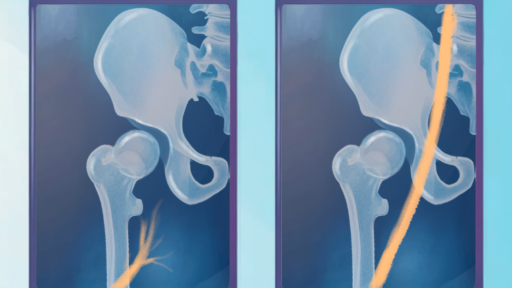
A venogram (also called venography) is a special medical test that lets a doctors see your veins on an X-ray. It uses a safe contrast dye so the veins (which are usually invisible on regular X-rays) show up clearly on the pictures.
Think of it like using a GPS tracker: the contrast dye “lights up” your veins so your doctor can follow the path your blood takes. This helps them find problems like blood clots, blockages, or vein narrowing.
Why Do Doctors Use a Venogram?
Here are common reasons you might have a venogram procedure:
- To find a blood clot in your veins
- To check for deep vein thrombosis (DVT)
- To see how well veins are working
- To look for blockages before surgery or vein treatment
- To help guide procedures like placing a stent (a tiny tube to keep a vein open)
This test gives your doctor real-time pictures of how blood flows through your veins, not just a snapshot, which makes it special.
How Do I Prepare for a Venogram Procedure?
Before your test:
- Your doctor may ask you not to eat or drink for a few hours.
- Tell your care team if you’re on any medications.
- Tell them about any allergies, especially to contrast dye or iodine.
- If you have kidney issues, let them know — some dyes can affect kidney function.
- If you might be pregnant, be sure to tell your doctor.
Wear loose, comfortable clothing and leave jewelry at home — metal can interfere with the X-rays.
What Happens During the Venogram Procedure?
Most often, I perform venograms for iliac vein compression, ovarian vein embolization and/or deep vein thrombosis. For these problems, I usually access the veins in the right upper arm (basilic vein) or the left groin (left common femoral vein/greater saphenous vein). “Access” is the process of creating a direct, reliable pathway into the vein.
Here’s a step-by-step of what you’ll likely experience:
- You’ll lie down on an X-ray table.
- We clean the skin around the vein we will access.
- A numbing medicine is given where we obtain access. You might feel a quick pinch and a burning sensation. A small tube is then placed in the vein.
- The contrast dye is slowly injected. You may feel warm or flushed, but it shouldn’t hurt.
- As the dye moves through your veins, an X-ray machine takes moving pictures (like a video).
- You might be asked to hold your breath or stay very still for a moment to get clear images.
- When the pictures are finished, the dye is flushed out, and we remove the small tube and press on the spot to close the small hole vein.
Most venograms take about 45 to 90 minutes depening on whether we are performing a venogram alone or as part of a larger treatment procedure.
How Will I Feel Afterwards?
Right after the test, you might feel:
- Warm flush during the dye injection — it’s normal and brief.
- Some bruising or tenderness where we obtain access.
- Rarely, a mild rash or itch a few hours later.
Your care team will watch you briefly after the procedure and then let you know when you’re ready to go home.
To help your body clear the dye, it’s a good idea to drink plenty of water after your venogram.
Are There Risks?
A venogram is generally safe, but like any test, there are some risks, including:
- Small amount of radiation exposure (normal for X-rays).
- Allergic reaction to the contrast dye (rare).
- Bruising, bleeding, or infection at the site (rare).
- Very rarely, a kidney reaction to the dye.
Your doctor will talk through risks with you and help make sure the benefits outweigh them.
What Will the Results Tell Me?
The results can help answer questions like:
- Are there any blood clots?
- Is blood flowing normally through your veins?
- Is there a blockage or narrowing that needs treatment?
Your doctor will walk through the results with you and explain the next steps if treatment is needed.
Final Thoughts
A venogram procedure might sound technical, but it’s just a tool to see inside your veins and understand what’s going on.
It gives clear, real-time pictures that help with diagnosis and planning the right treatment for vein conditions.
Being prepared and knowing what to expect can help make the experience smooth and stress-free and your care team is there to support you every step of the way!