
Superficial Vein Blood Clot: What It Is and How to Treat It
Have you ever noticed a painful, swollen vein just under your skin and wondered what it could be? You might be dealing with a blood clot of a superficial vein or superficial vein thrombosis, a condition where a blood clot forms in a vein close to the surface of your skin. But don’t worry— most cases of SVT are manageable with the right care. Let’s dive into superficial vein thrombosis treatment!
What is a superficial blood clot?
A superficial vein blood clot or superficial vein thrombosis (SVT) happens when a blood clot forms in a superficial vein, a vein located close to the surface of your skin. This condition often occurs in the legs and can cause swelling, redness, and tenderness along the vein.
While SVT isn’t as dangerous as a deep vein thrombosis (DVT), it can sometimes lead to more serious problems, especially if the clot extends deeper into the veins. That’s why it’s essential to recognize the signs and take action early.
What Causes Superficial Vein Blood Clot?
Several factors can increase your risk of developing SVT, including:
- Varicose veins
- Injuries or trauma to the vein
- Autoimmune diseases or infections
- Surgery or medical procedures
- Prolonged inactivity, like sitting for long periods
- Certain cancers or blood disorders
What Are the Symptoms of a Superficial Vein Blood Clot?
Here are some common signs to look out for:
- Redness and warmth along the affected vein
- Pain or tenderness when you touch the area
- Swelling near the vein
- A rope-like lump that you can feel under the skin
If the swelling or redness spreads or you experience intense pain, it’s important to contact your doctor—it could mean the clot is getting worse or extending deeper.
What Are the Treatments for a Superficial Vein Blood Clot ?
Most cases of superficial vein thrombosis are treated with simple measures at home, but some may require medication. Here’s a breakdown of the treatment options:
1. Anticoagulant Medication
- Medications like low-molecular-weight heparin (LMWH) or fondaparinux may be prescribed to reduce the risk of clots spreading.
- Newer medications, such as rivaroxaban, can also be used as an alternative.
2. Compression Stockings
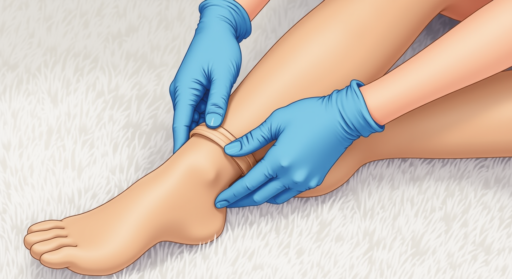
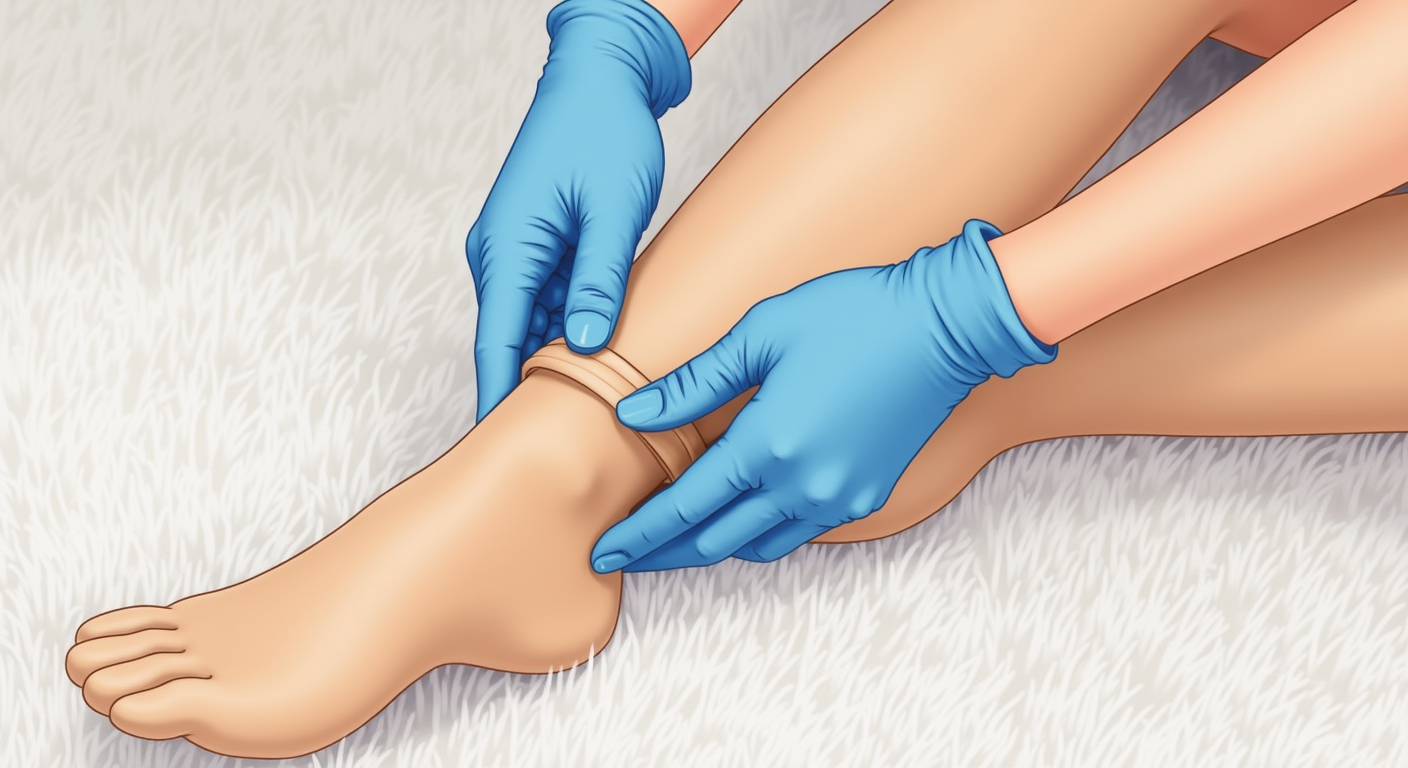
- Wearing compression stockings improves blood flow and reduces swelling.
3. NSAIDs (Non-Steroidal Anti-Inflammatory Drugs)
- Over-the-counter pain relievers, like ibuprofen, help ease pain and inflammation.
4. Stay Active
- Gentle exercises, like walking, can help prevent further clots from forming.
5. Local Treatments for Below-the-Knee a Superficial Vein Blood Clot
- For smaller clots near the surface, heparinoid creams, NSAIDs, or elastic stockings can offer relief.
When Should You See a Doctor?
In some cases, superficial vein blood clots can coexist with deep vein thrombosis (DVT)—a more serious condition. Studies show that about 20% of people with superficial vein blood clots may also have a DVT, which requires urgent care.
If your superficial vein blood clot is located above the knee or you have other risk factors (like a history of blood clots), your doctor may recommend an ultrasound to rule out DVT.
Final Thoughts
Superficial vein blood clots of superficial vein thrombosis may sound scary, but most people recover with simple treatments and lifestyle changes. If you experience redness, swelling, or pain along a vein, don’t ignore it. Reach out to your doctor. With the superficial vein blood clot treatment, you can manage superficial vein thrombosis effectively and get back to your normal routine.
And remember: Stay active, wear your compression stockings, and don’t hesitate to ask your doctor about anticoagulant medications if needed. Taking these steps can go a long way in keeping superficial vein blood clots under control.
Superficial Blood Clot: Frequently Asked Questions
Yes, most superficial blood clots resolve on their own within two to six weeks. The body gradually breaks down the clot while the inflammation in the vein wall settles. Anti-inflammatories, warm compresses, compression stockings, and staying active all speed this along.
That said, “usually goes away on its own” is not the same as “never needs assessment.” A clot that is long (more than about 5 cm), located in the upper inner thigh near where the superficial system joins the deep veins, or getting worse rather than better warrants an ultrasound. Those are the situations where a short course of a blood thinner is sometimes recommended to prevent extension into the deep veins.
The pain and redness of a superficial blood clot typically improve within one to two weeks, but the firm, tender cord you can feel under the skin often takes four to six weeks to fully soften and disappear. Skin discoloration over the vein can linger for months.
A common source of worry: the vein can stay palpable as a firm cord long after the danger has passed. That residual firmness is scarred, healed vein. Not active clot. If pain, redness, or swelling are increasing after the first week instead of settling, that is the pattern that deserves a repeat look, not a hard lump that is slowly shrinking.
Yes, it can. A superficial clot can extend into the deep veins, and studies show that roughly 1 in 5 people who present with a superficial vein thrombosis already have an associated deep vein thrombosis (DVT) or develop one. This is the main reason superficial clots should not simply be dismissed.
The risk of extension is highest when the clot sits close to a junction with the deep system (most importantly near the groin, where the great saphenous vein meets the femoral vein). This is why an ultrasound is worthwhile for anything more than a small, clearly settling clot in the lower leg: it maps exactly where the clot ends relative to the deep veins and tells us whether watchful waiting is enough or a preventive course of anticoagulation makes sense.
Usually not, a superficial blood clot is far less dangerous than a deep vein thrombosis, and it very rarely causes a pulmonary embolism on its own. The danger comes from the minority of cases where the clot extends into the deep venous system, which is why location and size matter more than pain.
Seek prompt medical attention if you notice any of the following alongside a superficial clot: swelling of the whole leg rather than tenderness along one vein, the redness spreading quickly or tracking upward toward the groin, fever, or any shortness of breath or chest pain. Those symptoms point to deep vein involvement or infection rather than a simple superficial clot.