
If you have been booked for a pelvic venogram or an iliac venogram, you probably have two questions: what is going to happen to me, and will it hurt? This post walks you through the whole visit, step by step, the same way I explain it to my own patients before the procedure. The short version: it is a same-day test done through one small needle poke, most people say it is much easier than they expected, and if we find a problem, we can often fix it right then and there.
(If you want the basics of what a venogram is in general, start with my venogram overview. This post is about the pelvic and iliac version, the deep veins in your lower belly and pelvis, and goes deeper into what the day actually feels like.)
Why would I need a pelvic or iliac venogram?
The iliac veins are the two large veins deep in your pelvis. They carry blood from your legs back up toward your heart. In some people, one of these veins gets squeezed, usually the left one, pinched between an artery in front of it and the spine behind it. Doctors call this iliac vein compression, or May-Thurner syndrome.
A squeezed vein can cause problems like:
- One leg that swells more than the other
- Legs that feel heavy or achy by the end of the day
- Pelvic pain or pressure that gets worse with standing
- Blood clots in the leg (DVT), especially the left leg
Scans like ultrasound, CT or MRI can suggest a squeezed vein. But the pelvic or iliac venogram is how we confirm it. It shows the vein from the inside, in real time, and lets us measure exactly how narrow it is. That is why it is often the last test before deciding on treatment.
Before the pelvic or iliac venogram procedure
You will get instructions from the hospital, but here is the usual routine. You stop eating a few hours before the test, since most people get light sedation (medicine through an IV that makes you relaxed and sleepy, but not fully asleep). Tell the team about all your medications, especially blood thinners, and about any allergies, especially to X-ray dye (contrast). If you have kidney problems, mention that too. The dye is cleared by your kidneys, and we plan around it.
Plan for the whole visit to take a few hours, even though the procedure itself is much shorter. And arrange a ride home. After sedation, you cannot drive that day.
Step by Step: What Happens During the Venogram
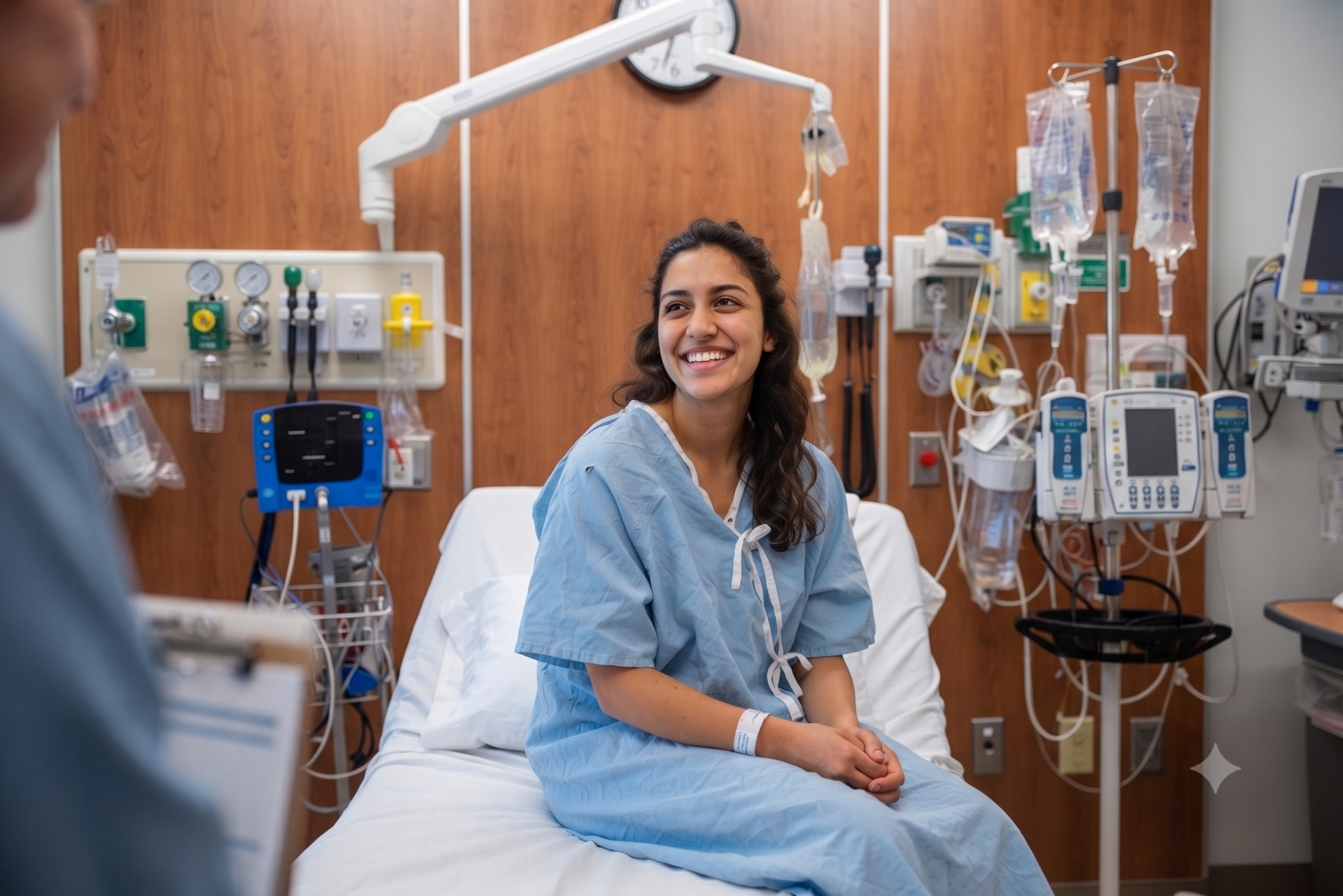
Step 1 Getting settled. You change into a gown and lie on your back on an X-ray table. A nurse starts an IV and connects monitors for your heart rate, blood pressure, and oxygen. If you are having sedation, it starts here. Most people describe the feeling as calm and floaty.
Step 2 Freezing the skin. The access spot is in the upper arm or at the top of your leg near the groin. We clean the skin and inject numbing medicine. This is a quick sting and burn for a few seconds. Honestly, the most uncomfortable part of the whole test for most people.
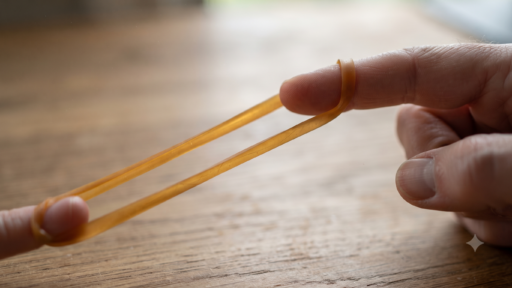
Step 3 The needle and the tube. Once the skin is numb, a thin needle goes into the vein, guided by ultrasound. Through it, we place a soft plastic tube called a catheter. It is about the width of a spaghetti noodle. You should feel pressure, but not pain. There is no cutting and no stitches. The opening is smaller than a pencil eraser.
Step 4 Taking the pictures. We gently guide the catheter into your iliac veins using X-ray to watch its path. You cannot feel the catheter moving inside the vein. Veins have no feeling on the inside. Then we inject the contrast dye and take X-ray pictures. When the dye goes in, most people feel a brief warm flush, sometimes with a metal taste in the mouth. It is strange, but it passes in seconds.
Step 5 The ultrasound from inside (IVUS). Sometimes in pelvic and iliac venograms, I also use a tool called IVUS (intravascular ultrasound). A tiny ultrasound probe on the tip of the catheter. It shows the vein wall from the inside, like standing inside a tunnel instead of looking at it from a plane. IVUS often finds narrowing that the dye pictures alone can miss. You will not feel it at all.
Step 6 The decision point. Now we know the answer. If the vein looks fine, we remove the catheter and you head to recovery. If the vein is badly squeezed, we can usually treat it right away. See the next section.
A purely diagnostic venogram, pictures only , takes about 30 to 60 minutes on the table.
After the procedure: the same day
You move to a recovery area and rest for one to two hours while the tiny opening in the vein seals itself. A nurse checks the spot and your vital signs. Most people go home the same day. The rules for the rest of the day are simple: take it easy, drink extra fluids to help flush out the dye, and no driving until tomorrow.
Over the next few days, a bruise at the needle spot is normal and can look dramatic before it fades. Skip heavy lifting and hard exercise for a day or two. Most people are back to work and normal life within a day.
When to call
Problems are rare, but call the clinic or go to the emergency department if you notice:
- Bleeding or a fast-growing lump at the needle spot
- A leg that becomes much more swollen or painful than before
- Fever, chest pain, or trouble breathing
Getting your results
One of the best parts of this test: there is usually no anxious waiting. Because I am looking at your veins live during the procedure, I can tell you what I found and what we did about it the same day, before you go home. Your referring doctor gets a full report as well.
Frequently asked questions
A pelvic venogram is an X-ray test of the deep veins in your pelvis, including the iliac veins. A thin tube is placed into a vein through a small needle poke, X-ray dye is injected, and live pictures show whether a vein is squeezed, narrowed, or blocked. It is the most accurate test for iliac vein compression, and treatment can often be done at the same time.
For most people, no. The main discomfort is the sting of the numbing needle at the start, similar to having blood drawn. You may feel pressure, and a warm flush when the dye goes in. If a narrowed vein is stretched with a balloon during the same visit, that causes a deep cramp for several seconds. You are warned first, and sedation helps.
The pictures-only part takes about 30 to 60 minutes. If a stent is placed in the same visit, add about 30 to 45 minutes. With check-in, recovery, and discharge, plan for a few hours at the hospital. Almost everyone goes home the same day.
Recovery is quick. You rest for one to two hours at the hospital, go home the same day, and can return to normal activity within about 24 hours. Avoid heavy lifting for a day or two. A bruise at the needle spot is normal.
Think a squeezed iliac vein might explain your symptoms? Start with this guide to iliac vein compression. Wondering how long your stent will last and what to watch for? See how long iliac vein stents last. Physicians can find referral information for Ontario physicians here. Consultations and venography are covered by OHIP with a referral.