
Some of the hardest pain problems I see come from compression syndromes. These conditions where a blood vessel or the nerves beside it get squeezed deep in the abdomen. Two examples are median arcuate ligament syndrome (MALS) and nutcracker syndrome.
For both conditions, one of the most useful tools we have is also one of the least known: a nerve block. This post explains what these blocks are, how they’re done, what they can and cannot tell us, and what the risks are. As always, this is education (not medical advice), and be sure to talk to your own doctor.
First, a quick refresher on the two conditions
Median arcuate ligament syndrome (MALS) happens when a band of tissue at the bottom of the diaphragm (the median arcuate ligament) presses down on the celiac artery and, importantly, on the bundle of nerves that surrounds it, called the celiac plexus. People with MALS often have pain in the upper abdomen, typically worse after eating, sometimes with nausea and weight loss. Many have seen several specialists and had normal scopes and scans before anyone considers the ligament.
Nutcracker syndrome happens when the left renal vein (the vein draining the left kidney) is squeezed between two arteries. This can cause flank or side pain, blood in the urine, and pelvic symptoms. I cover it in more detail in my plain-language guide to pelvic venous disorders.
Here’s the key idea that connects them: in both conditions, part of the pain travels through nearby nerve networks. The compression is mechanical, but the pain is carried by nerves and nerves are something we can test.
What is a nerve block?
A nerve block is a precise injection of numbing medication (local anesthetic, sometimes with steroid) around a specific group of nerves, done under image guidance (usually CT) so the needle goes exactly where intended.
The injection does two jobs:
It’s a test. If numbing a specific nerve bundle switches your pain off (even for a few hours) that tells us those nerves are carrying your pain. That’s powerful information, because it helps confirm the diagnosis and predicts whether treatments aimed at that pathway are likely to help.
It’s sometimes a treatment. Some patients get relief that lasts well beyond the anesthetic. More often, the block is the map rather than the destination: it guides what we do next.
Celiac plexus block for MALS
Why it’s done. In MALS, surgeons can release the ligament to take pressure off the artery and nerves. But not everyone with a compressed-looking artery on a scan actually has MALS pain, compression can appear on imaging in people with no symptoms at all (a theme that will be familiar if you’ve read my other guides). A celiac plexus block helps sort this out. If numbing the celiac plexus relieves your pain, it supports the diagnosis and is associated with a better chance that surgery will help. If it does nothing, that’s important information too. It may redirect the workup before anyone operates.
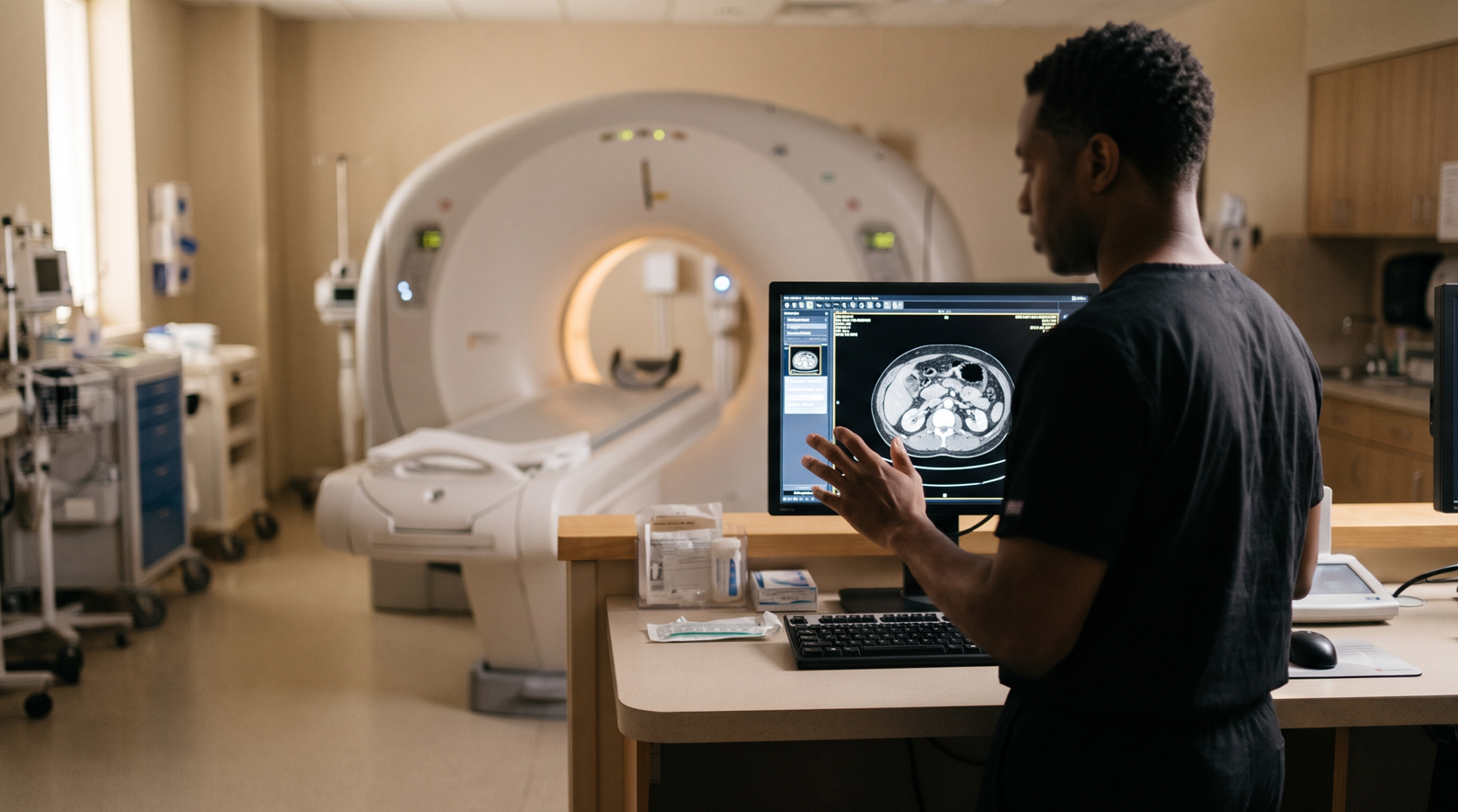
How it’s done. You lie on a CT table. We give you sleepy medicine (conscious sedation), with local freezing in the skin. A thin needle is guided to the area around the celiac artery, placement is confirmed on imaging, and the medication is injected. The procedure typically takes under an hour, and you go home the same day after a short observation period. You’ll be asked to track your pain carefully over the following hours and days. Your pain diary is the test result.
What results mean. Meaningful relief while the anesthetic is working suggests the celiac plexus is involved in your pain. No change suggests the pain is coming from somewhere else. Either way, the block has done its job. It has made the next decision (surgery, further workup, or a different treatment direction) better informed.
Renal hilar block for nutcracker syndrome
Why it’s done. Nutcracker syndrome poses a similar puzzle: vein compression is common on imaging, but not every compressed vein explains a patient’s pain. Treatments (stenting or surgery) are significant decisions, so we want the strongest possible evidence that the vein is truly the culprit. The nerves that carry pain from the kidney and its vein travel through a network near the renal hilum (where the vessels enter the kidney) and the nearby aorticorenal ganglion. Numbing this network tests whether your flank pain actually travels that pathway.
How it’s done. The technique mirrors the celiac block: image-guided needle placement near the nerve network, confirmation on imaging, injection of local anesthetic, home the same day with a pain diary.
An honest note on where this stands. Using targeted nerve blocks this way in nutcracker syndrome is a newer, evolving area. The evidence base is smaller than for celiac plexus blocks, and it isn’t offered everywhere. This is an area of active research interest for me. We are exploring whether longer-lasting nerve treatments could help selected patients with ongoing kidney-area pain.
What are the risks?
Nerve blocks done under image guidance are generally low-risk procedures, but no needle procedure is risk-free. Honest numbers and categories:
Common and temporary:
- Soreness at the needle site for a day or two
- With celiac plexus blocks: temporary diarrhea and lightheadedness when standing (the celiac nerves also help regulate gut activity and blood-vessel tone, numbing them can briefly loosens both). These usually settle within hours to a couple of days.
- Temporary numbness or a “strange” feeling in the area
Uncommon:
- Bleeding or bruising deeper than the skin
- Infection
- The block simply not reaching the target, needing a repeat
Rare but important: serious complications such as significant bleeding, injury to nearby structures, or nerve-related complications are rare with diagnostic anesthetic blocks performed under image guidance.
One practical note, because we give you sedation and lightheadedness can occur with the procedure, you’ll need someone to drive you home.
What a block can and cannot do
To be clear:
- A block can confirm which nerves carry your pain, strengthen (or weaken) the case for a diagnosis, and predict whether pathway-targeted treatment may help.
- A block cannot fix the compression itself. Relief from the anesthetic is usually temporary. That’s expected and is exactly what makes it a good test.
- A negative block is not a failure. Ruling a pathway out saves you from a treatment that wouldn’t have worked.
Who should consider one?
These blocks are worth discussing if you have a suspected or confirmed compression syndrome (MALS or nutcracker) and the team is weighing whether your symptoms, your imaging, and the proposed treatment truly line up. They’re one piece of a careful, stepwise evaluation, not a shortcut around it. If you’re not sure how to raise this with your doctor, my guide on how to talk to your doctor about venous compression applies here too. Physicians can find referral information here.
Frequently asked questions
The skin is frozen with local anesthetic first, so most people feel pressure rather than pain during the injection. The procedure is done awake with conscious sedation, usually takes under an hour, and most patients describe it as much easier than they expected.
For a diagnostic block, the local anesthetic typically works for hours. Some patients, especially when steroid is included, get relief lasting weeks. But the main purpose is the information. Does numbing that nerve pathway switches your pain off?
It means that nerve pathway is probably not the main carrier of your pain, which is genuinely useful. It redirects the workup toward the real cause and can prevent a surgery or procedure that was unlikely to help.
No. The block tests the pain pathway and sometimes gives temporary relief, but it doesn’t relieve the compression. Its value is in making the decision about definitive treatment (surgery, stenting, or something else) better informed.